



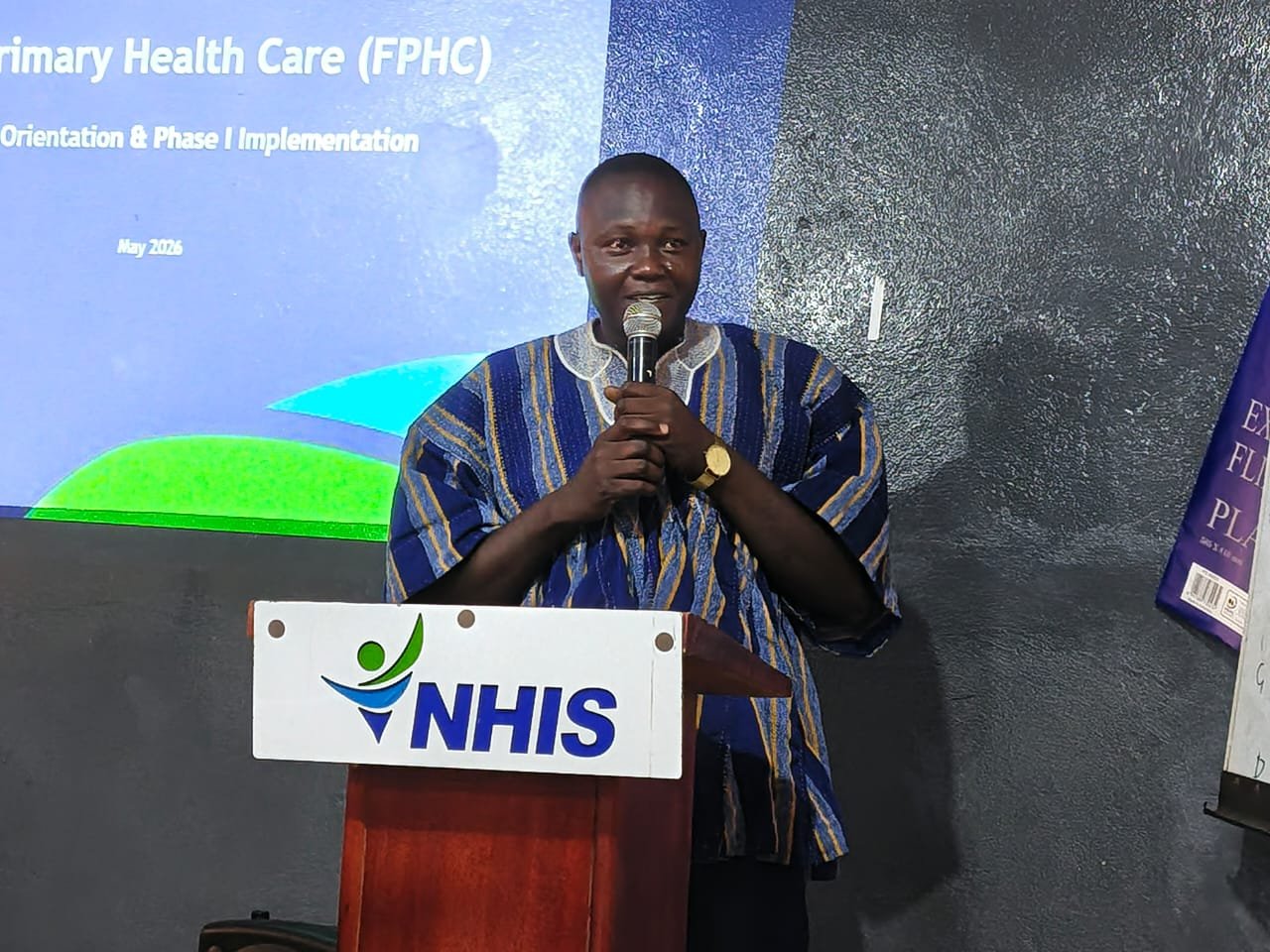
A strong wave of commitment, optimism, and policy direction marked a major stakeholder engagement in Damongo, as Ghana deepens the implementation of its newly launched Free Primary Health Care (FPHC) initiative.
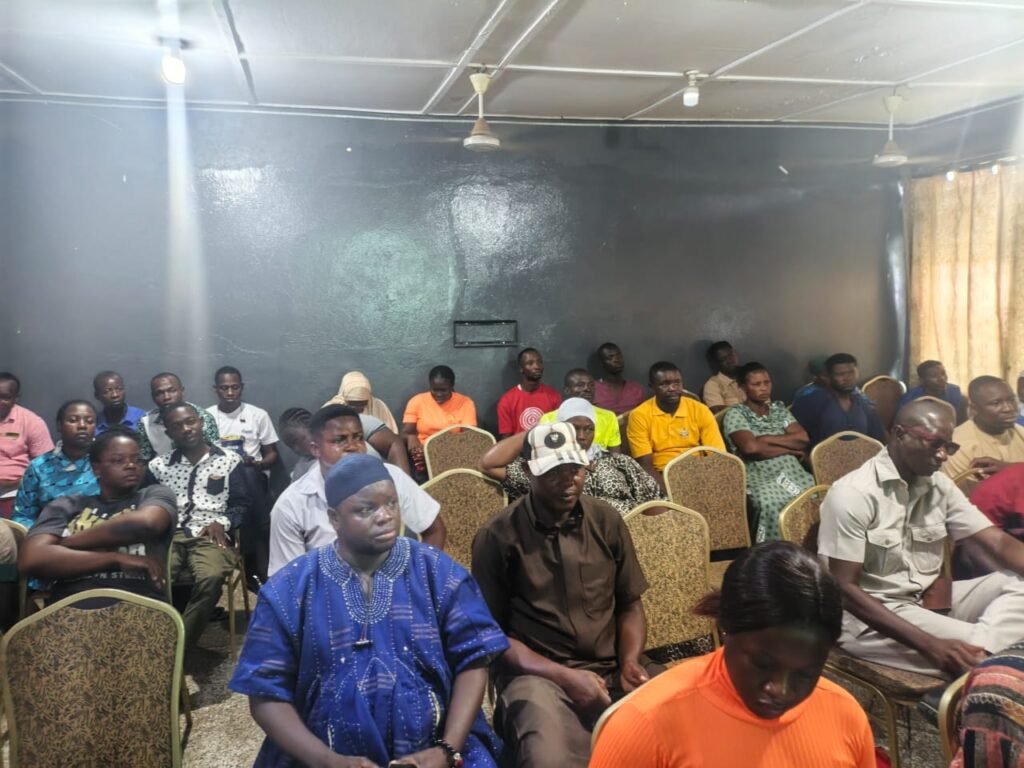
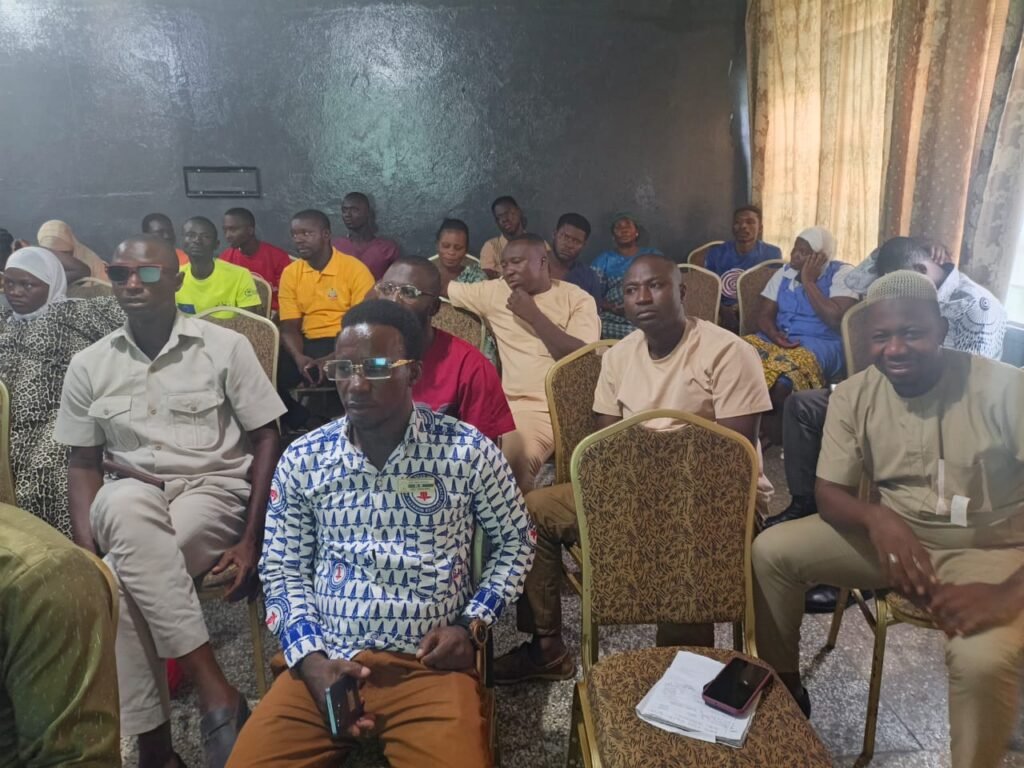
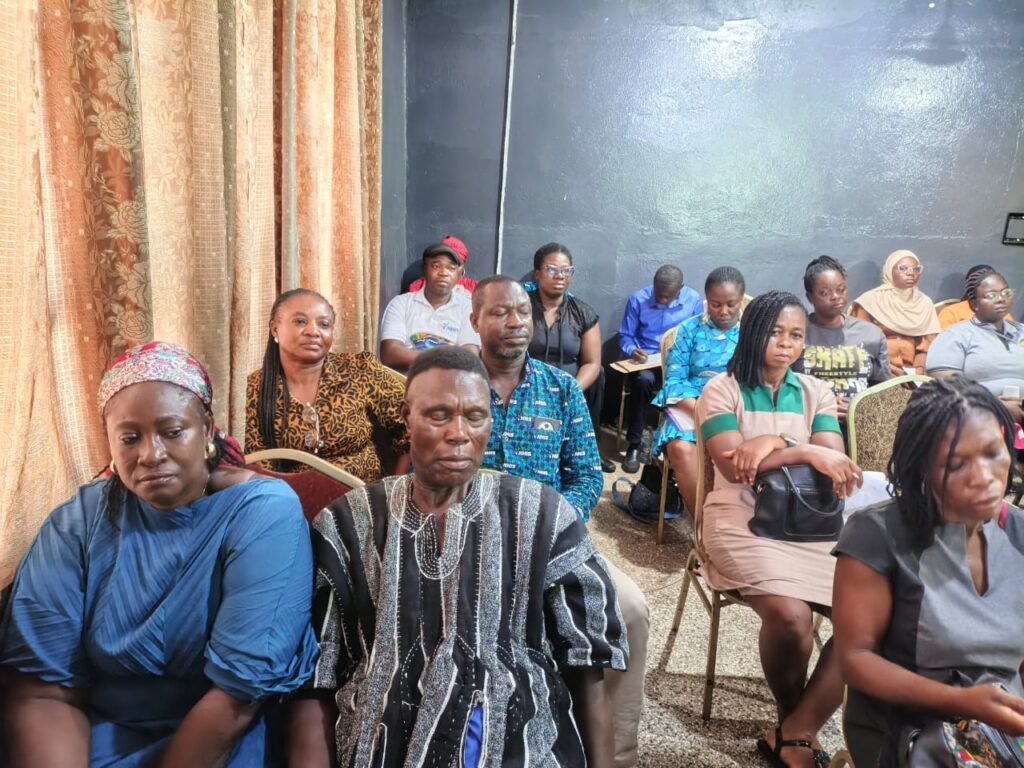
The high-level meeting, convened by the West Gonja Municipal Office of the National Health Insurance Scheme (NHIS), brought together health professionals, traditional and religious authorities, civil society actors, media representatives, and government stakeholders to align efforts toward the successful rollout of the policy.
Opening the session, The municipal NHIS Manager, Mr. Rahman Baluri Iddrisu, warmly welcomed participants and underscored the importance of collective action in achieving meaningful health reform. He described the gathering as a demonstration of shared commitment to improving the wellbeing of the people of West Gonja and Ghana at large, emphasizing that meaningful progress can only be achieved through partnership, dialogue, and a shared sense of responsibility. Referencing the African proverb, “If you want to go fast, go alone; if you want to go far, go together,” he noted that the success of the Free Primary Health Care initiative would depend on unity among stakeholders.
He highlighted that the policy, launched by the President on April 15, 2026, represents a historic turning point in Ghana’s healthcare journey, shifting the system from a focus on treating illness to preventing it. According to him, the reform is designed to ensure that people across all walks of life, from mothers in remote communities to farmers, school children, and the elderly can access essential care before illnesses become severe. Quoting Benjamin Franklin’s assertion that “an ounce of prevention is worth a pound of cure,” he stressed that prevention remains the most affordable and sustainable pathway to a healthier society.
Mr. Rahman further explained that the initiative places strong emphasis on early detection, health education, community engagement, and active NHIS enrolment, calling on all stakeholders, including traditional leaders, religious bodies, assembly members, civil society organizations, and the media, to serve as ambassadors of accurate information and responsible implementation. He cautioned, however, against misinformation, unrealistic expectations, and operational indiscipline, clarifying that the policy does not replace the NHIS but rather complements it. While Free Primary Health Care focuses on preventive services and screening, he said, the NHIS remains essential for treatment and specialized care, stressing that sustaining the reform requires discipline, commitment, and collaboration.
(Cue Audio of NHIS Manager)
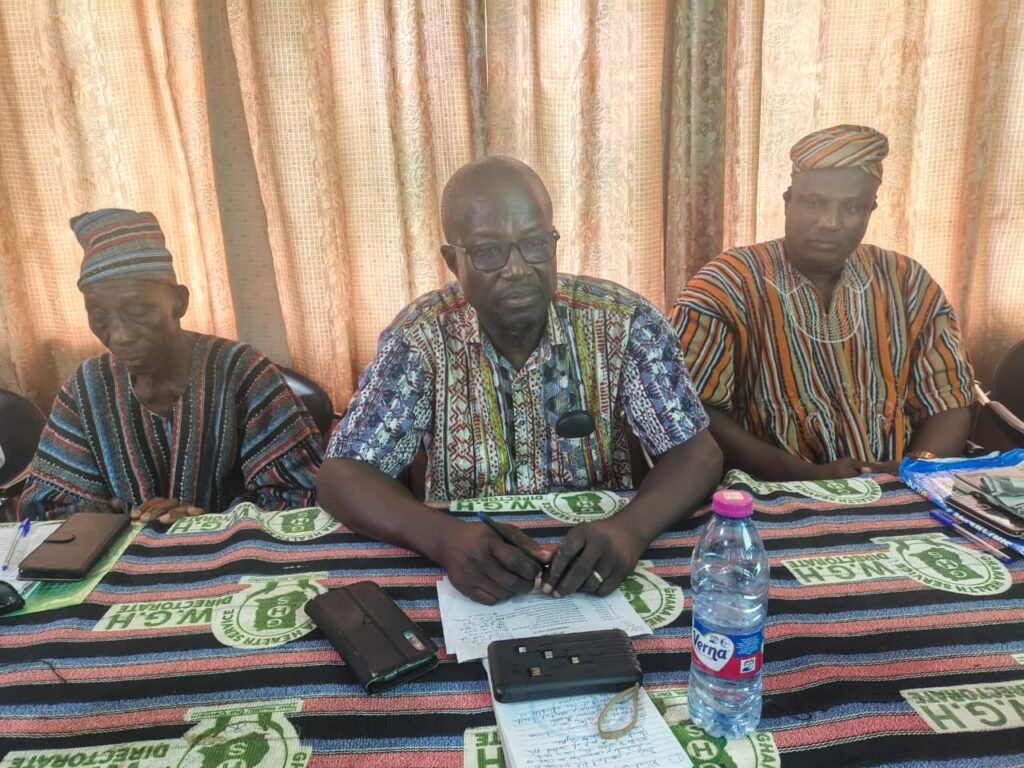
Chairing the forum, former West Gonja NHIS Manager, Mr. Kipo Kaara, expressed appreciation for the opportunity to lead discussions on what he described as a transformative national agenda. He noted that primary health care remains the foundation of every strong and healthy society, explaining that when it is accessible, affordable, and effective, it reduces preventable diseases, improves maternal and child health, promotes early detection, and strengthens national development. He described the vision of free primary healthcare as a commitment to human dignity, social justice, and equitable development, ensuring that no Ghanaian is denied basic healthcare due to financial or geographical barriers.
He emphasized that the forum came at a critical time when many communities, particularly in rural and underserved areas, continue to face challenges in accessing quality healthcare services. He urged participants to focus on practical, inclusive, and sustainable solutions, noting that the engagement was not only about discussing challenges but also about identifying workable strategies to improve health outcomes. He expressed confidence that the expertise and experience gathered would contribute meaningfully to strengthening primary healthcare delivery in Ghana and assured participants of open, constructive, and respectful deliberations.
(Cue Audio of Kipo Kaara)
Providing a technical perspective, The municipal NHIS Accountant, Mohammed Bashiru-Banchiriga highlighted persistent inequities within Ghana’s healthcare system that necessitated the reform.
He explained that although many Ghanaians contribute to the National Health Insurance Levy, uninsured populations still lack guaranteed access to healthcare services. He noted that out-of-pocket payments remain high, accounting for about 25 percent of total health expenditure, which exceeds the World Health Organization’s recommended threshold. He also pointed to late reporting of illnesses and the rising burden of non-communicable diseases such as hypertension and diabetes as key challenges placing pressure on the system, underscoring the need to reorient healthcare toward prevention and early intervention.
The Free Primary Health Care initiative seeks to reposition primary healthcare as the foundation of the health system by making essential preventive and promotive services accessible at no cost.
Phase I of the rollout is currently underway in 130 districts, including facilities such as CHPS compounds, health centres, and selected faith-based institutions, where services such as health screening, early diagnosis, and community education are being intensified. The policy aims to increase the use of primary healthcare services while advancing Ghana’s progress toward Universal Health Coverage by 2030.
Stakeholders at the meeting emphasized that while the initiative removes financial barriers to basic screening and preventive care, the NHIS remains indispensable for accessing treatment, including hospital admissions, surgeries, and emergency services. They cautioned against miscommunication that could create the impression that all healthcare services are now free, warning that such misconceptions could undermine the sustainability of the program. Instead, they stressed the need for clear and consistent public education to ensure that citizens understand the complementary roles of FPHC and NHIS.
The reform also introduces a population-based financing approach, where health facilities receive funding to manage the health needs of defined populations, particularly in preventive care, while curative services continue under the NHIS claims system. This approach is expected to shift focus from the volume of services provided to overall community health outcomes.
As Ghana continues to implement the policy, stakeholders acknowledged that the current phase serves as a transition period to strengthen systems, refine strategies, and build a solid foundation for nationwide expansion. Future phases are expected to incorporate stronger primary care networks, improved digital systems, and enhanced financing mechanisms.
The stakeholder engagement in Damongo ended with a renewed sense of purpose, as participants reaffirmed their commitment to supporting the successful implementation of the Free Primary Health Care initiative. With prevention at its core and collaboration as its driving force, the policy is expected to reduce avoidable illnesses, ease financial burdens on households, and build a more resilient and equitable healthcare system for all Ghanaians.