



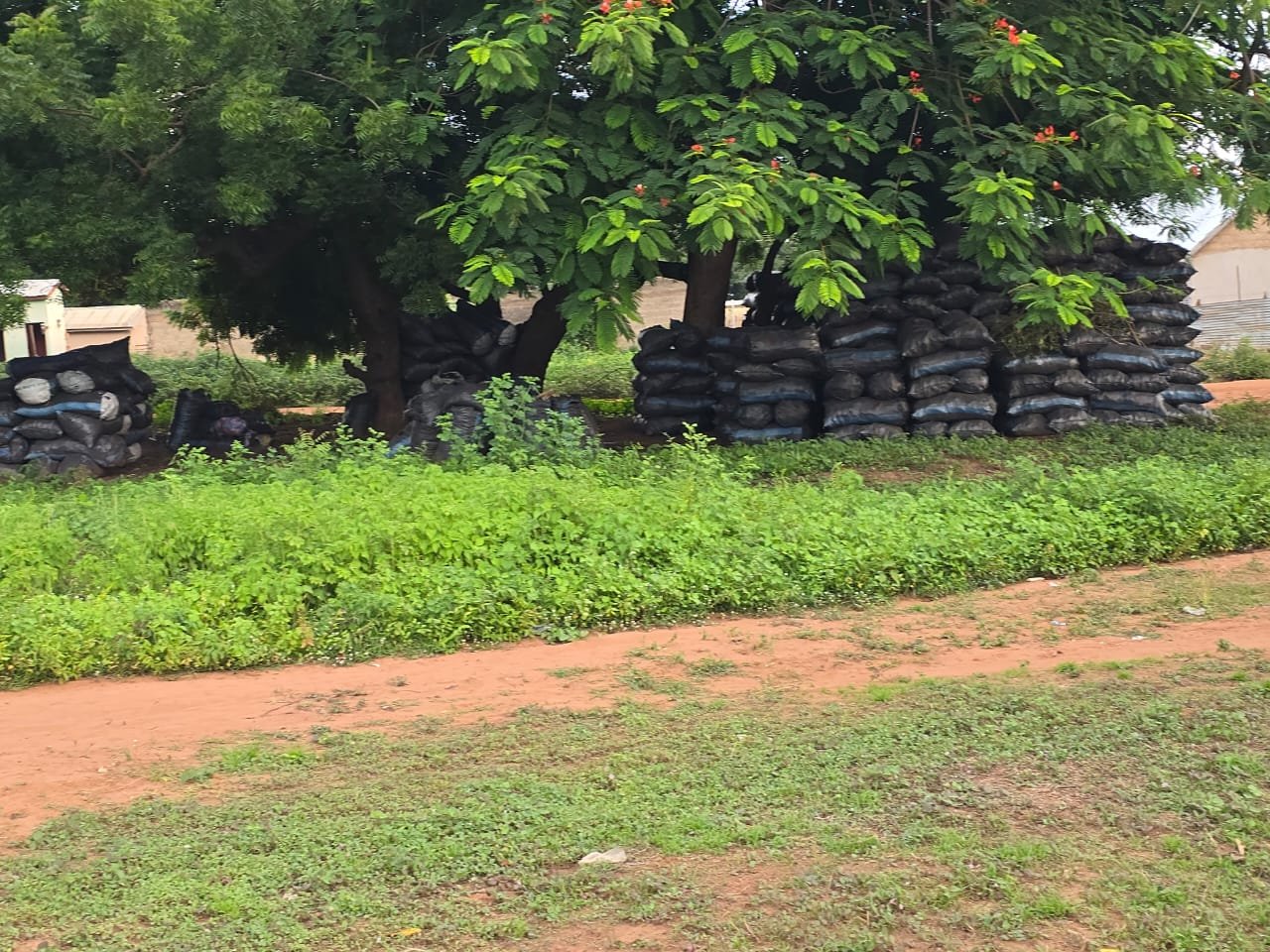
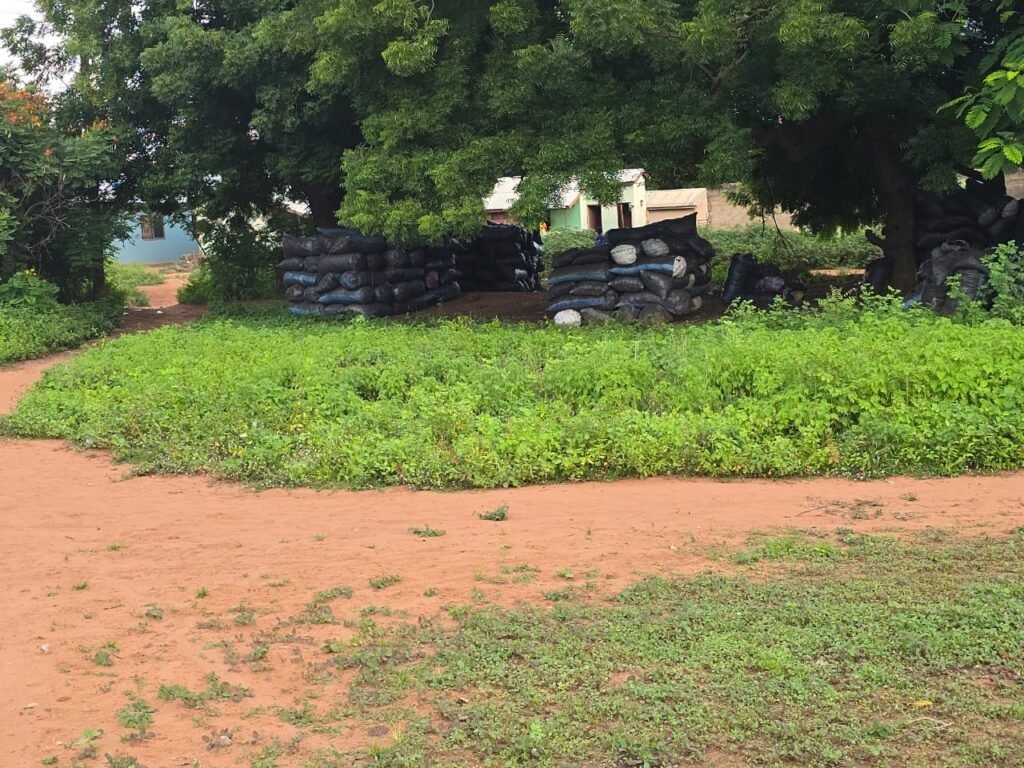
In the petition addressed to the GLYA Executive Council, Mr. Pantrawura raised the alarm over widespread deforestation linked to large-scale charcoal burning in the region. He said a journey from Fufulso Junction through Busunu to Damongo, including sections of Damongo township, revealed huge piles of charcoal stacked along roadsides, evidence he says points to commercial-scale production being transported to urban markets, including Accra.
The petitioner warned that if such volumes are visible along major routes, the destruction taking place in remote forest areas could be far more severe.
He cautioned that the unchecked activity could trigger land degradation, desertification, reduced rainfall, biodiversity loss, declining agricultural yields, and worsening food insecurity an outcome he says could push the Savannah Region toward long-term environmental and economic collapse.
Meanwhile, the petition has reignited criticism from some residents over how district assemblies in the Savannah Region manage revenue collected from charcoal producers. Several citizens have questioned why, despite the massive quantities of charcoal leaving the region daily, and the substantial revenue assemblies reportedly rake in from producers, they are unable to point to any tangible development funded from these proceeds.
The residents argue that if such huge sums are indeed being collected, there should be visible evidence in the form of roads, schools, health facilities, or other infrastructure within the affected communities. They are demanding greater transparency and accountability from the assemblies on how charcoal related revenue is collected and spent.
Mr. Pantrawura is calling on the GLYA to advocate for stricter regulation of industrial charcoal production and transport, engage traditional authorities, district assemblies, and state agencies to enforce environmental laws, intensify public education on the dangers of indiscriminate tree felling, and support alternative livelihoods such as afforestation, agroforestry, and youth employment programmes.
He described the present moment as critical, stressing that the region’s future depends on decisive action taken now to protect its environment.