



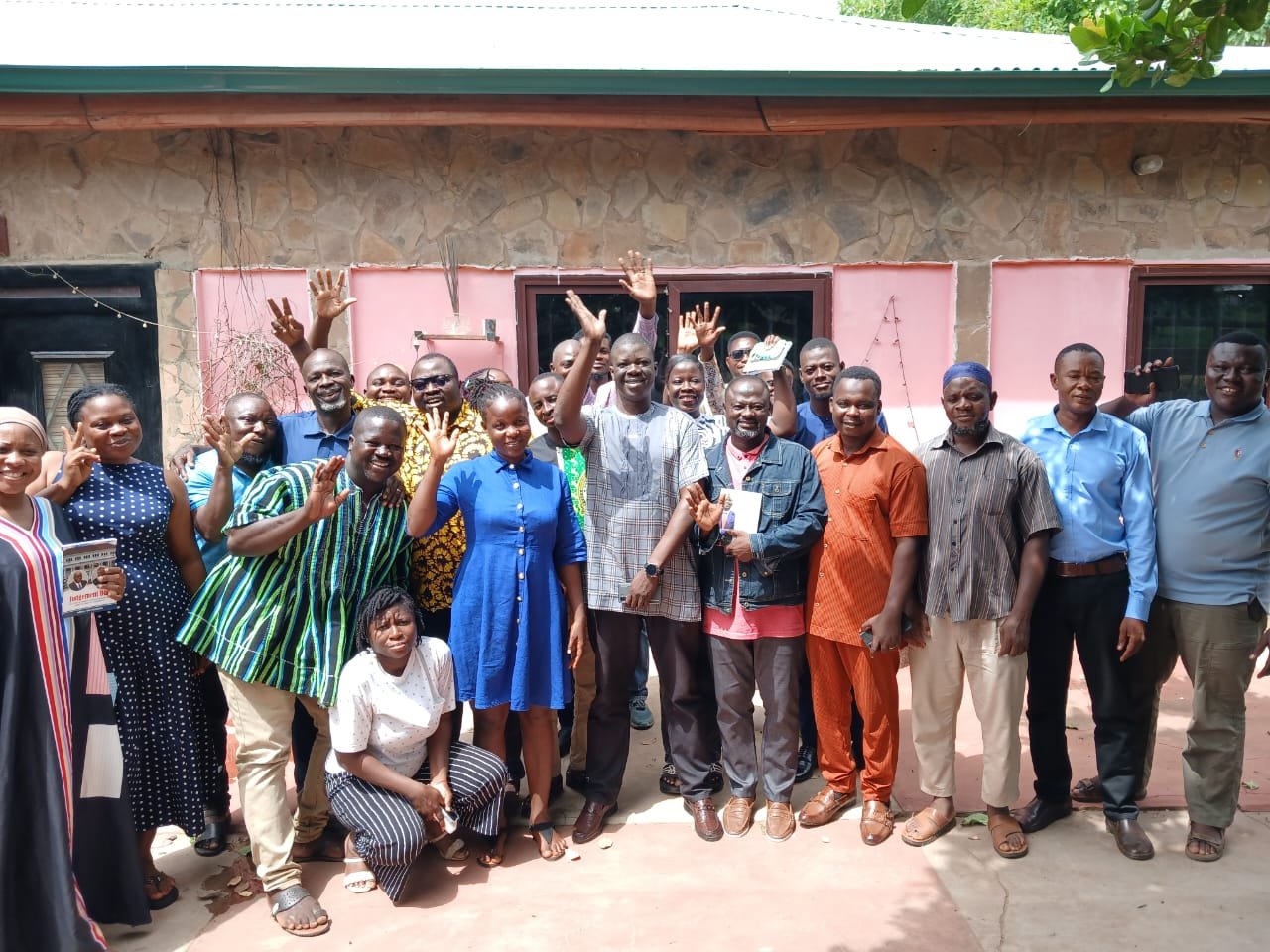
Civil society organisations, non-governmental organisations, and media practitioners in the Savannah Region have undergone training in advocacy, peacebuilding, and policy engagement, following a two-day workshop organised by Northcode Ghana in Damongo.
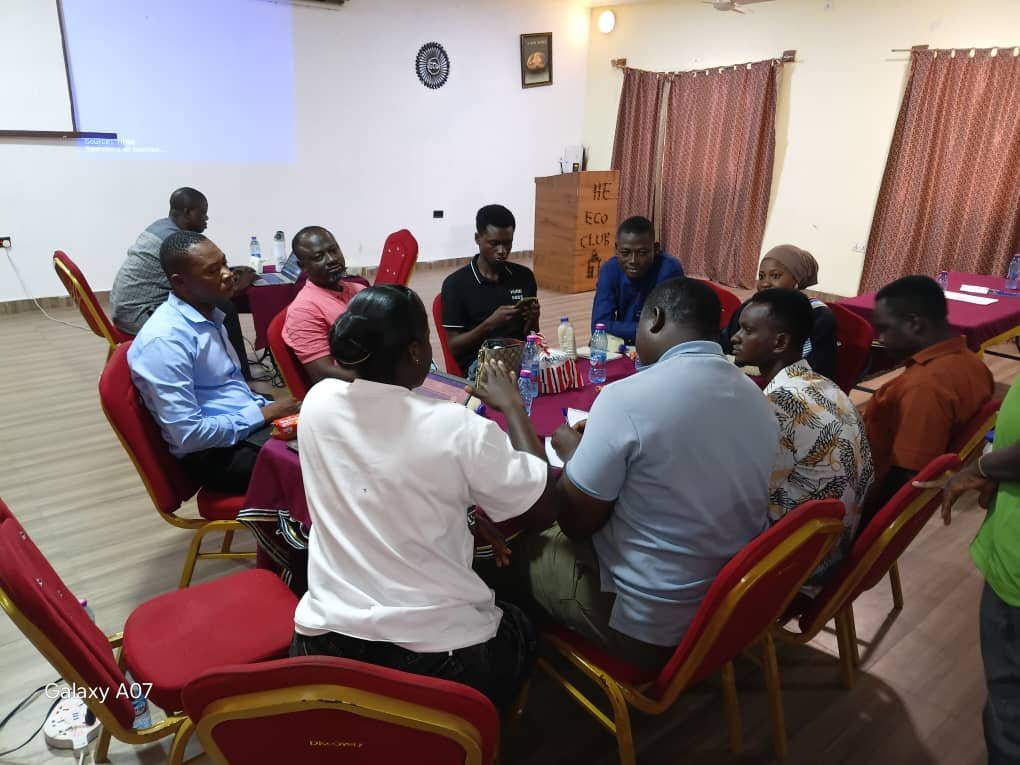
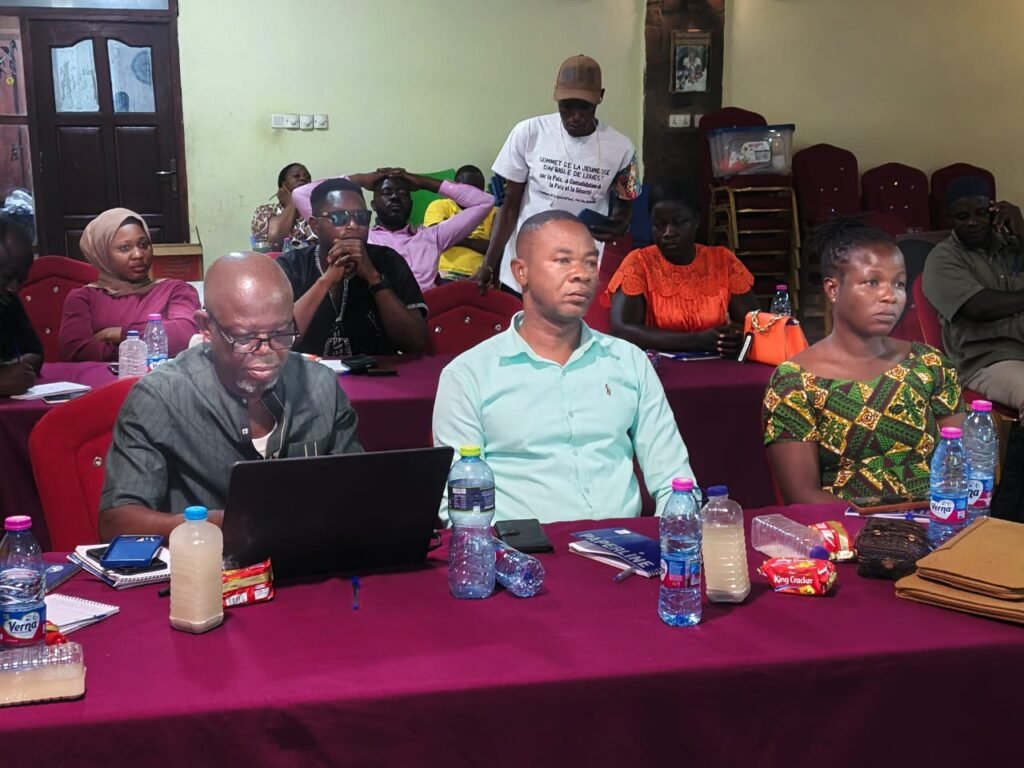
The training, held on June 15 and 16 at the Ecoclub House in Damongo, was part of the KAPOK Project implemented in collaboration with Conciliation Resources and funded by the Robert Bosch Stiftung. It brought together development actors under the theme: “Building Skills, Strengthening Voices, Shaping a Peaceful Future.”
Participants were taken through sessions on community mobilisation, coalition building, stakeholder mapping, power analysis, and conflict-sensitive approaches to development. Renowned media practitioner and governance specialist Abdul Hayi Moomen facilitated the training, guiding participants to also develop organisational advocacy action plans.
A key focus of the workshop was the growing threat of violent extremism. Facilitators warned against complacency, citing Ghana’s proximity to the conflict-prone Sahel region and emerging reports of recruitment activities. Participants were equipped with skills to identify early warning signs of radicalisation and strategies for countering extremist ideologies through civic education, promotion of national identity, and digital literacy.
Speaking at the workshop, Northcode Ghana’s Fundraising Officer and Project Quality Coordinator, Mr. Sabie Naah Aiden, stressed the critical role of the media in development communication. He announced a shift from the traditional approach of engaging the media only at the dissemination stage toward a co-creation model where media practitioners are involved from the outset.
Mr. Aiden also disclosed that the KAPOK Project, which started in 2022 and was renewed in 2024, is likely to be extended for at least another three years, with new projects also in the pipeline.
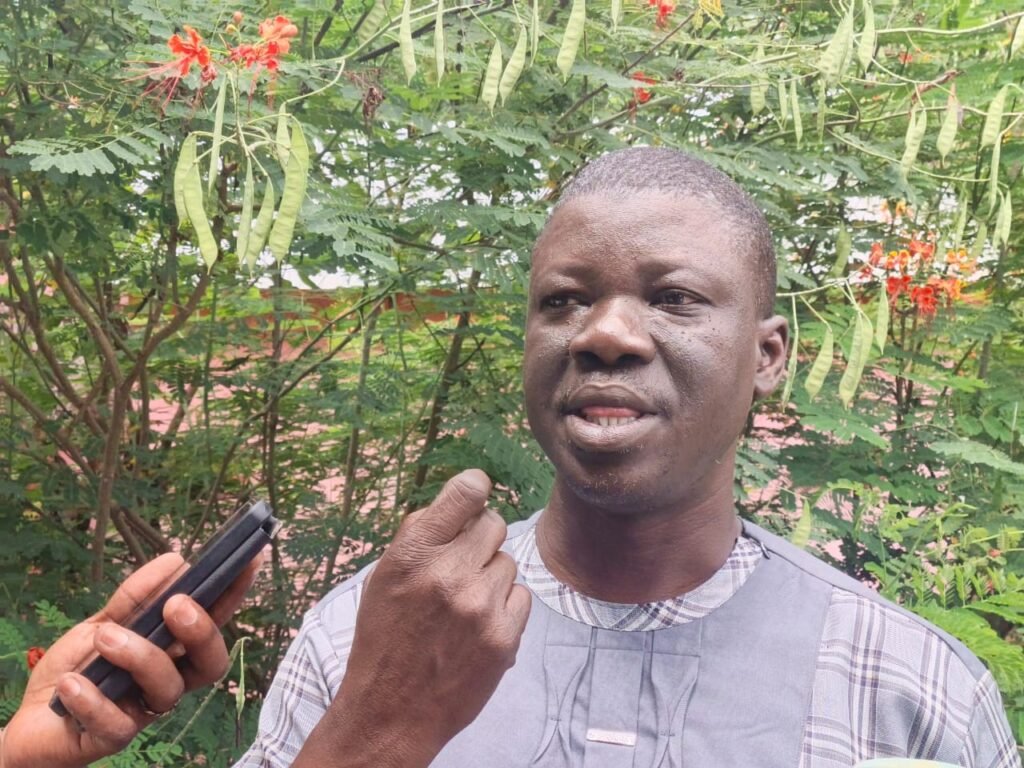
Facilitator Abdul Hayi Moomen emphasised that while security agencies respond to conflict, the responsibility for preventing it rests largely with the media and civil society. He urged practitioners to use their platforms intentionally to shape public mindsets and promote a culture of peace.
Participants described the training as timely and pledged to apply the knowledge gained to influence policy and build more resilient communities across the Savannah Region.