



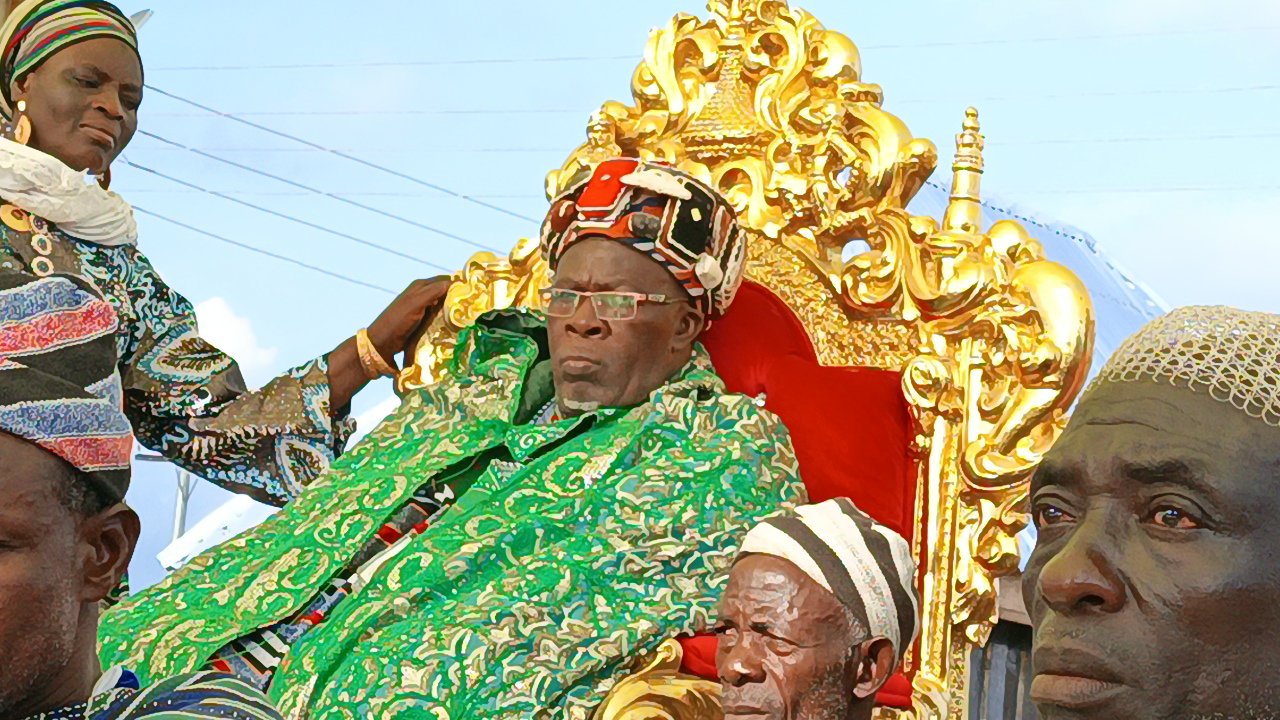
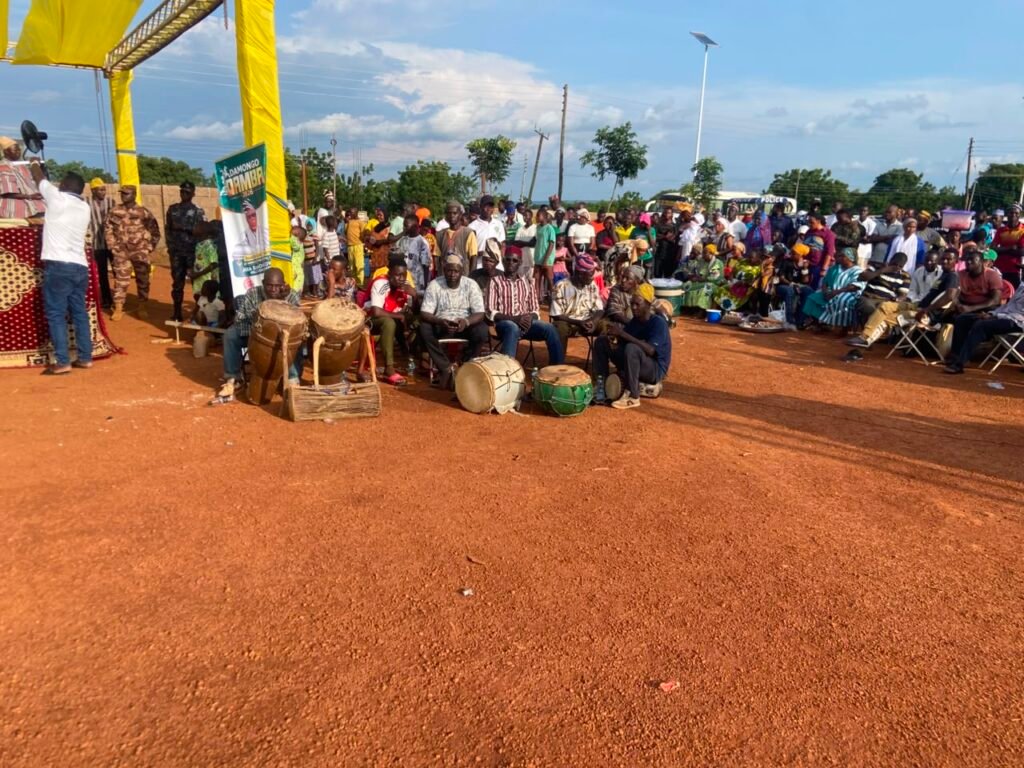
The 2026 Damongo Damba Festival has climaxed with traditional leaders, government officials, queen mothers, political representatives, religious leaders and residents coming together to celebrate Gonja culture, reaffirm unity and reflect on the need to protect the heritage and future of the people.
The celebration, held under the theme “Preserving Our Heritage, Uniting Our People, Driving Sustainable Development,” commenced on Wednesday, September 16, 2026, with the traditional rice-picking ceremony, followed by the Damba bull slaughtering on Thursday, September 17, and climaxed with a grand durbar on Friday, September 18.
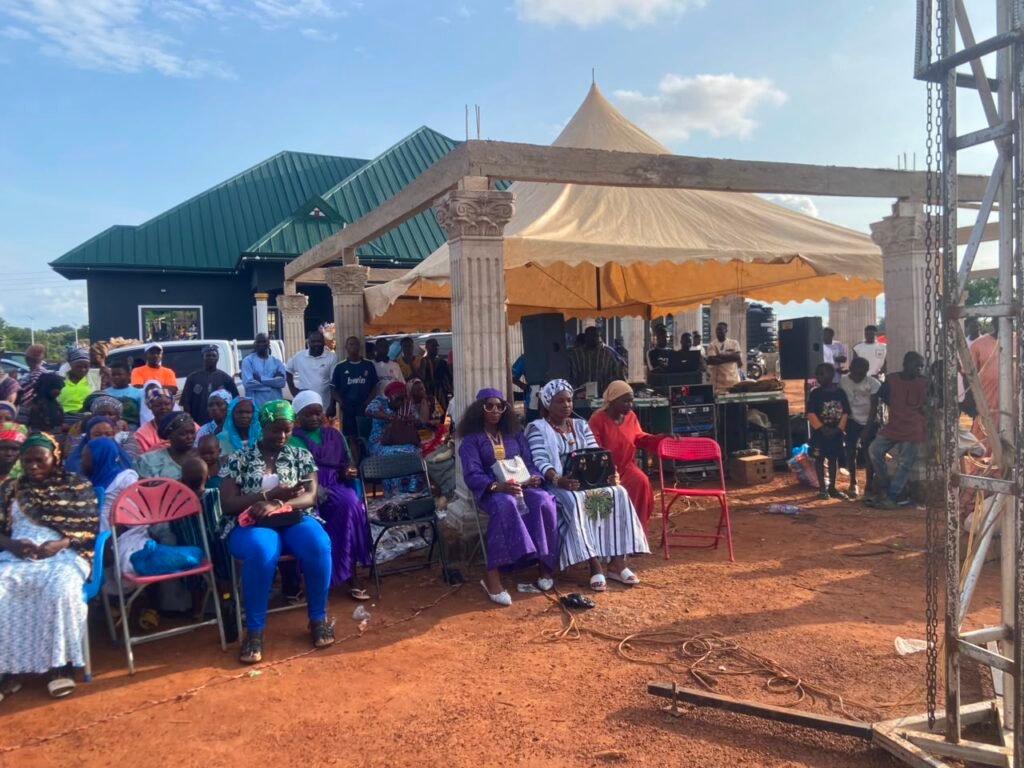
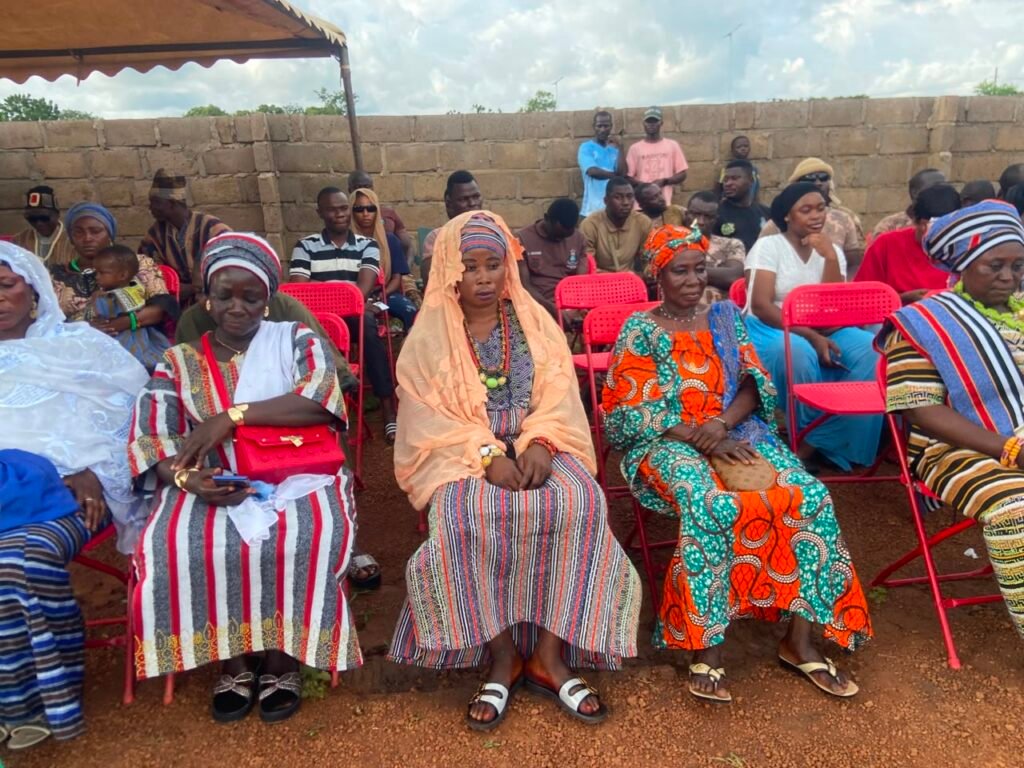
The grand durbar brought together a broad cross-section of traditional authorities, government officials, political leaders, queen mothers, religious and community leaders, development actors and residents, creating a platform not only to celebrate Damba but also to discuss issues affecting the development and wellbeing of the people.
In his address to the durbar, the Damongowura, Seidu Kelly Braimah Boresa (I), whose speech was delivered on his behalf by Budamawura Dr. Buah, called on the people to attach greater importance to the preservation of their cultural heritage while working collectively towards sustainable development.
He said the theme for the 2026 celebration speaks directly to the identity, history and aspirations of the people, stressing that heritage goes beyond traditional songs, dances and ceremonies.
According to him, heritage represents the wisdom of ancestors, the values of the people and the traditions that have guided generations.
He described the Damba Festival as a living testament to Gonja history, noting that the festival provides an opportunity for the people to remember their history, celebrate their identity and pass their cultural values on to younger generations.
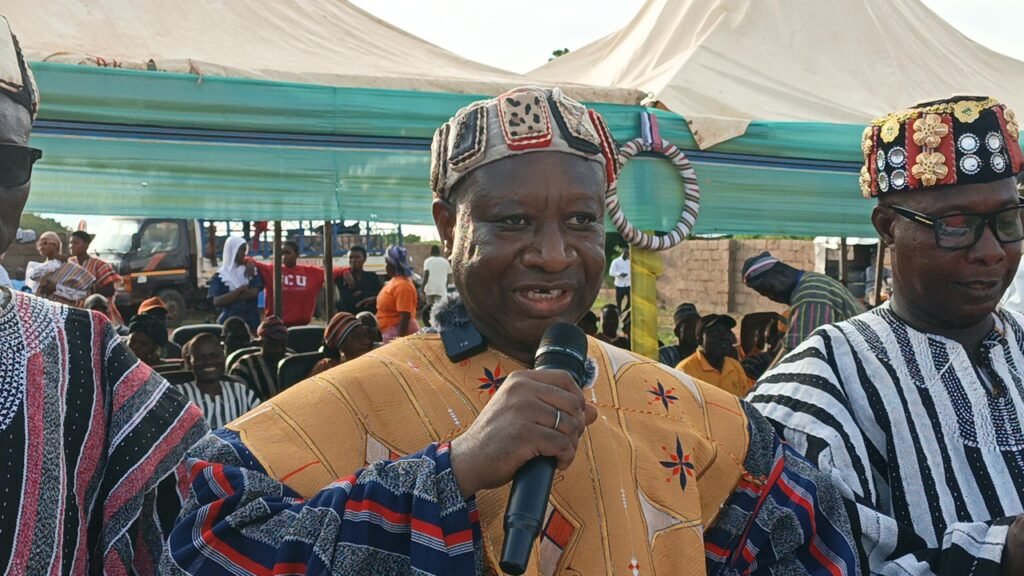
The Damongowura stressed that preserving heritage should not mean simply looking into the past.
Rather, he said, it should involve creating a culture that remains vibrant and relevant enough for children and grandchildren to inherit with pride.
He therefore called for deliberate efforts to teach younger generations the history, language and values of the Gonja people.
Turning to the issue of unity, the Damongowura said the strength of the people lies in their ability to live and work together despite differences.
He noted that Damongo has historically been home to people from different ethnic backgrounds, including Gonja, Sisala, Mo and Kasena-Nankana communities, among others, who have shared their joys, challenges and aspirations.
He urged residents to reject division, embrace dialogue and continue building peaceful relationships among the various communities.
“Let us build bridges, not walls,” he urged, stressing that sustainable development can only be achieved when people are united around a common purpose.
The Damongowura also linked cultural preservation and unity to development, calling for investment in education, agriculture, healthcare, youth empowerment, women’s development, infrastructure, trade and tourism.
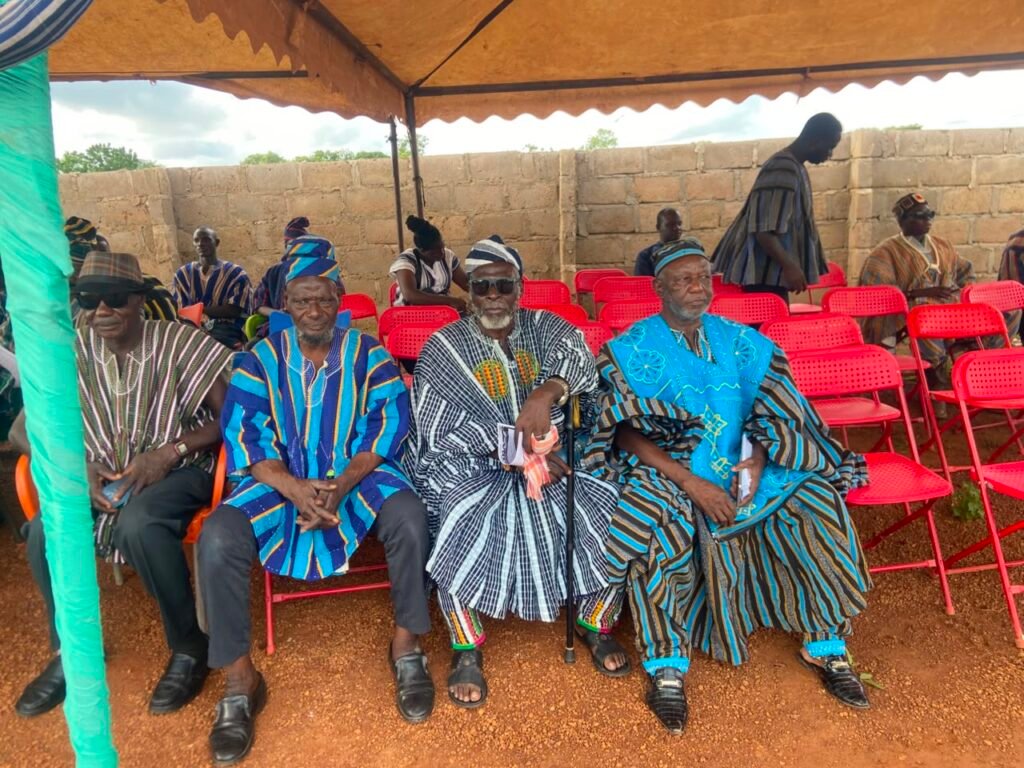
He stressed that development should not destroy the culture and natural environment of the people, urging stakeholders to pursue development that protects resources for future generations.
He concluded with a call for collective action, urging the people to see the Damba Festival not only as a celebration of the past but also as an opportunity to renew their commitment to the future of Damongo and the wider Gonja Kingdom.
Chairman of the 2026 Damongo Damba Festival, Tolodompe Abdallah, popularly known as Chief Monor, also used the occasion to make four major appeals to the Gonja Traditional Council.
Chief Monor said he considered his selection to chair the occasion a great honour, particularly because of the seniority structure within Gonja chieftaincy.
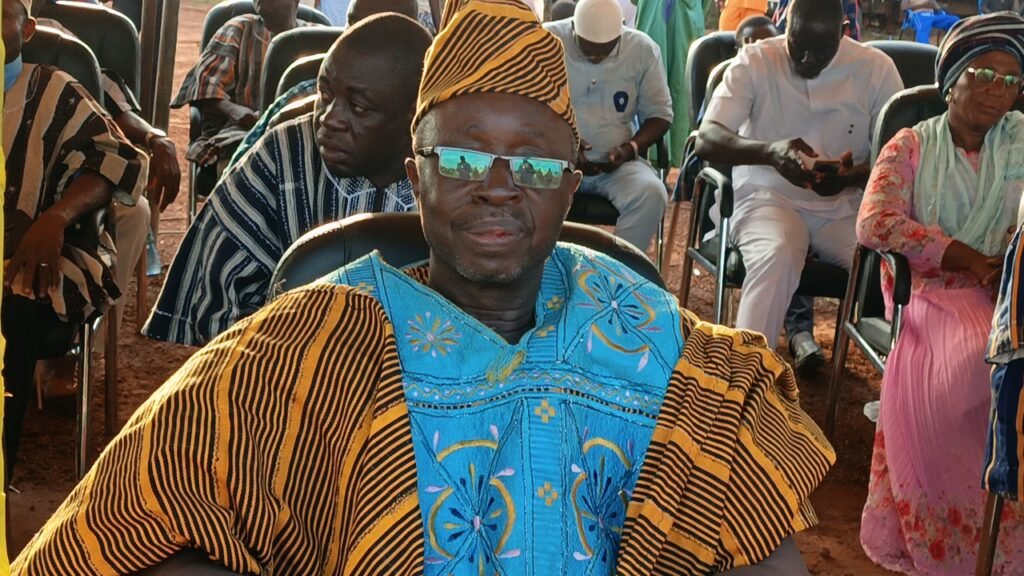
He noted that although he had served as master of ceremonies and chairman for several important occasions across the country over the years, including events dating back to the administrations of former Presidents Jerry John Rawlings, John Agyekum Kufuor, John Evans Atta Mills and John Dramani Mahama, the Damongo Damba was the first major traditional function of this nature that he had chaired.
He therefore said he did not take the responsibility lightly.
His first appeal was for the Gonja Traditional Council to encourage Paramount Chiefs and relevant stakeholders to work towards the construction of permanent palaces for their respective traditional areas.
He said palaces are not simply physical structures but important symbols of the history, authority, identity and continuity of traditional institutions.
Chief Monor further appealed for the introduction of clearly displayed charts or diagrams at Paramount Chiefs’ palaces showing the recognised seating and positioning arrangements of chiefs and other members of the palace.
He said this would assist visitors, government officials and traditional leaders to understand the appropriate traditional protocol and help prevent confusion during important traditional gatherings.
His third appeal focused on the use of social media, particularly TikTok.
He cautioned users against turning social media platforms into avenues for insults, personal attacks and the spread of misinformation.
He urged individuals who have grievances against others to seek amicable settlement or use appropriate traditional and institutional channels rather than resorting to insults and attacks online.
Chief Monor called on the traditional leadership and other stakeholders to find ways of working together to promote responsible social media use.
His fourth appeal was for greater support for the Bii-Kunuto Education Fund, which he said could help provide educational opportunities for needy students.
He also encouraged traditional leaders and parents to promote the teaching and learning of the Gonja language in schools as part of broader efforts to preserve the people’s cultural identity.
The President of the Savannah Regional Queen Mothers, Kansawurche Hajia Veronica Bukari, used the occasion to draw attention to child protection concerns confronting communities across the Savannah Region.
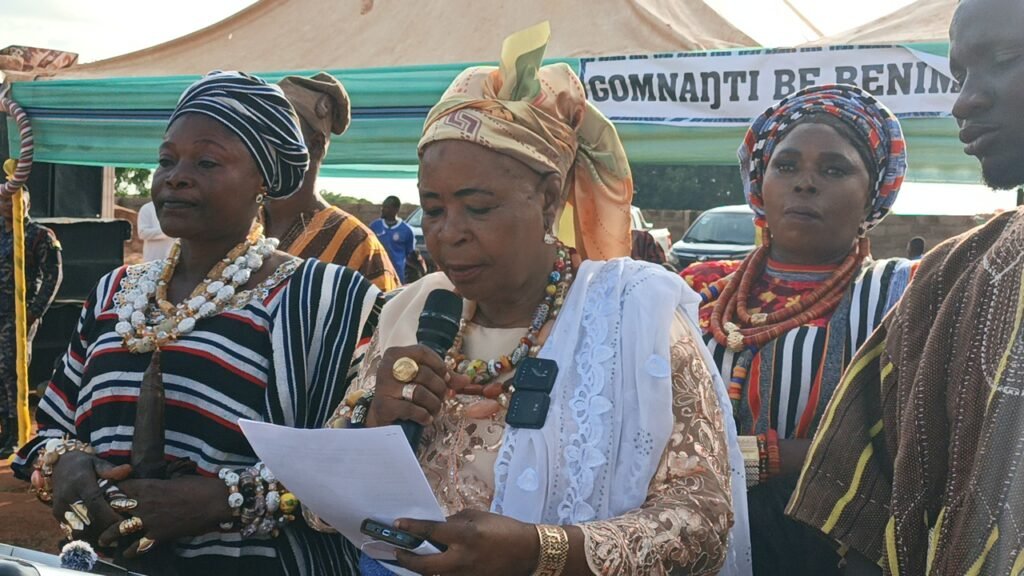
In her speech, she said the Damba Festival should not only be a time to celebrate culture and tradition but also an opportunity to reflect on the kind of society the people want to build for their children.
She highlighted teenage pregnancy and school dropout as major concerns, warning that the consequences can affect not only individual children but also their families and the wider community.
She called for stronger collective efforts to keep children in school and protect them from sexual abuse, exploitation and other forms of violence.
Hajia Veronica also expressed concern about children being attracted to what they perceive as quick money or greener pastures.
She cited situations where young people abandon school to engage in activities such as galamsey or travel to other communities and towns in search of employment.
While acknowledging that there is nothing wrong with young people wanting to work and become independent, she cautioned against children of school-going age being pushed into hazardous work and adult economic activities.
She said such situations can expose children to accidents, exploitation, abuse and other dangers.
The Queen Mothers’ President therefore urged parents and community leaders to ask important questions about the whereabouts and activities of children.
“Where are our children? What are they doing? Who are they living with? And what risks are they exposed to?” She asked.
Hajia Veronica placed particular emphasis on the role of Child Protection Committees, describing them as the eyes and ears of communities when it comes to the welfare of children.
She said the committees can help identify children at risk of abuse, neglect, exploitation, child labour, teenage pregnancy and school dropout.
They can also assist in educating parents and community members, encouraging early intervention and reporting cases to the appropriate authorities.
She therefore appealed to traditional leaders and community authorities to strengthen and support Child Protection Committees to ensure they remain active, respected and capable of responding when children are at risk.
She further urged parents and guardians to take a greater interest in the lives of their children, including knowing where they are, who they associate with and what they do after school.
Hajia Veronica also called on traditional and religious leaders to use their influence to speak against child abuse, neglect, teenage pregnancy, child labour, exploitation and unsafe migration.
To young people, she urged them to think carefully about decisions that could affect their future, particularly when faced with pressure to abandon education in pursuit of quick money.
She concluded by reminding the gathering that a community that protects its children is protecting its future.
The occasion also brought together representatives of the Yagbonwura, the overlord of the Gonja Traditional Area, The Buipewura, as well as the Jira Mankpanwura, paramount chief of the Mankpan traditional area, and other traditional authorities.
Beyond the traditional activities, the speeches delivered at the durbar transformed the occasion into a platform for reflection on the future of Damongo and the wider Savannah Region.