



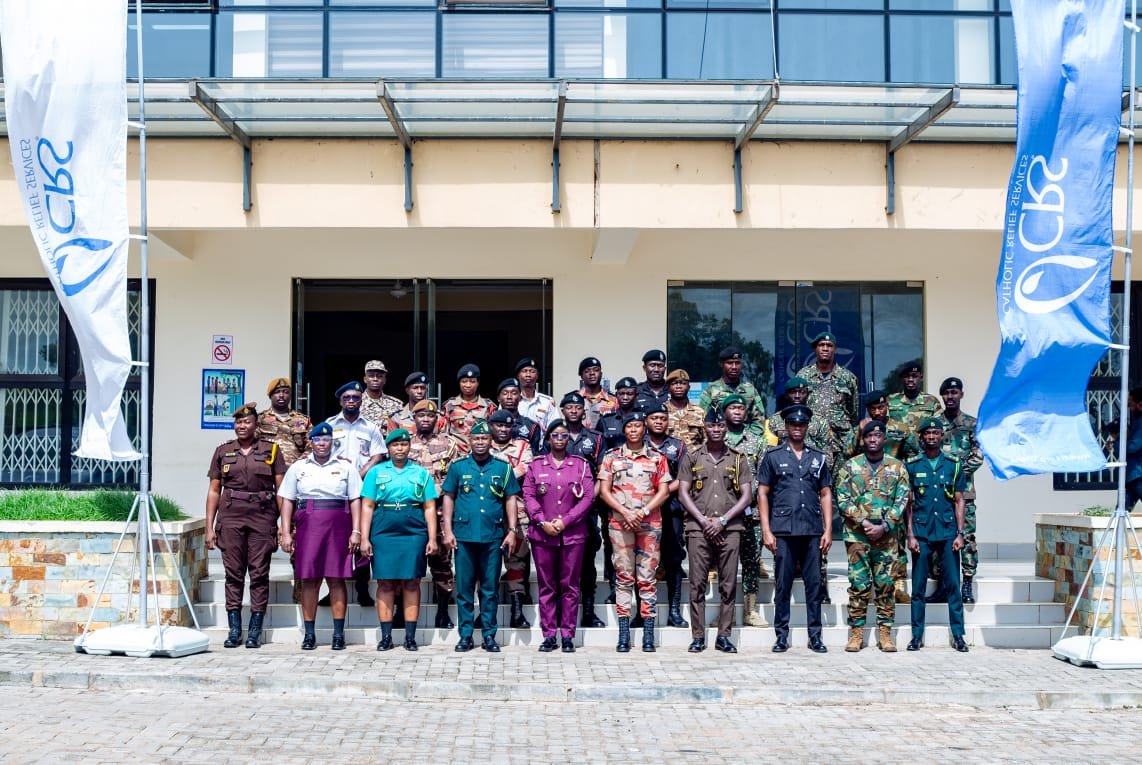
A five-day training course on “Civilian Security Engagement in Preventing Violent Extremism” has been held in Damongo, bringing together civil society, government, security, and media actors from the Savannah Region, under the Prevention of Violent Extremism through Social Accountability (PoVETSA) II Project.
The training, which ran from 15th to 19th June 2026, was held at the conference hall of the Savannah Regional Coordinating Council. It was organised by Catholic Relief Services (CRS) in partnership with the Kofi Annan International Peacekeeping Training Centre (KAIPTC) and the National Peace Council, with funding support from the Netherlands Ministry of Foreign Affairs.
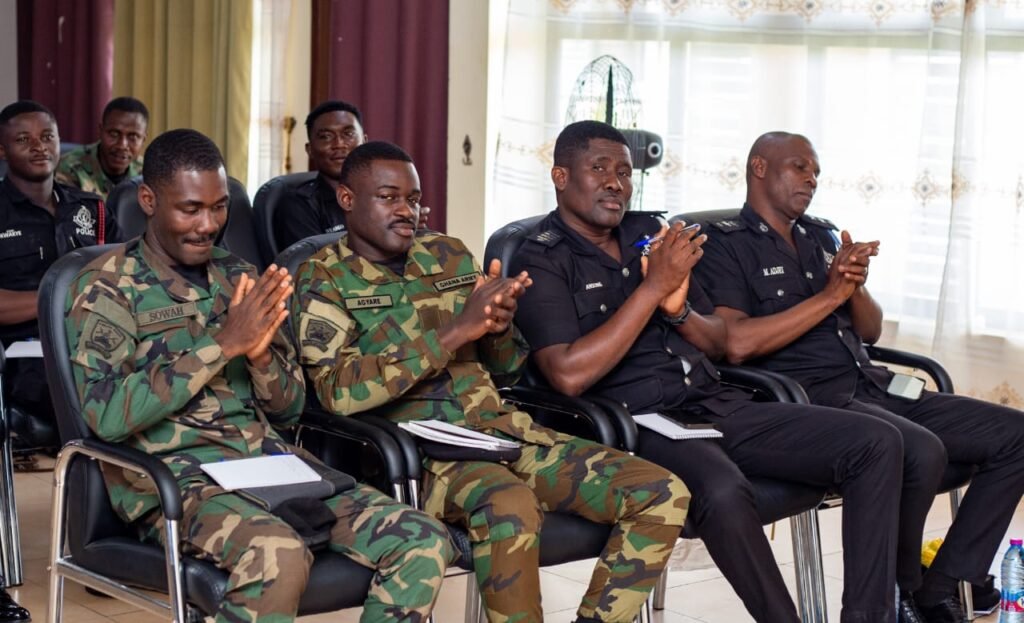
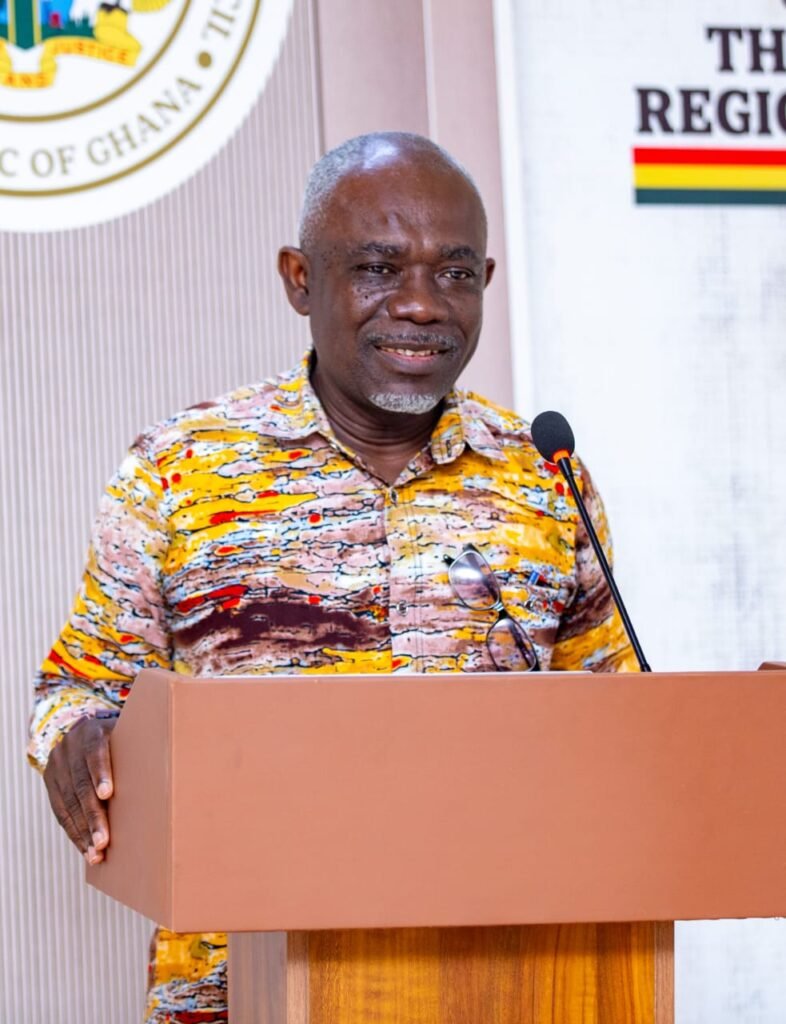
The course opened with remarks followed by a course overview from Adelaide Yiriyelleh, CRS Project Manager, who outlined the project’s goal of improving Ghanaian national peace and security actors’ work to build civilian trust and confidence in security services.
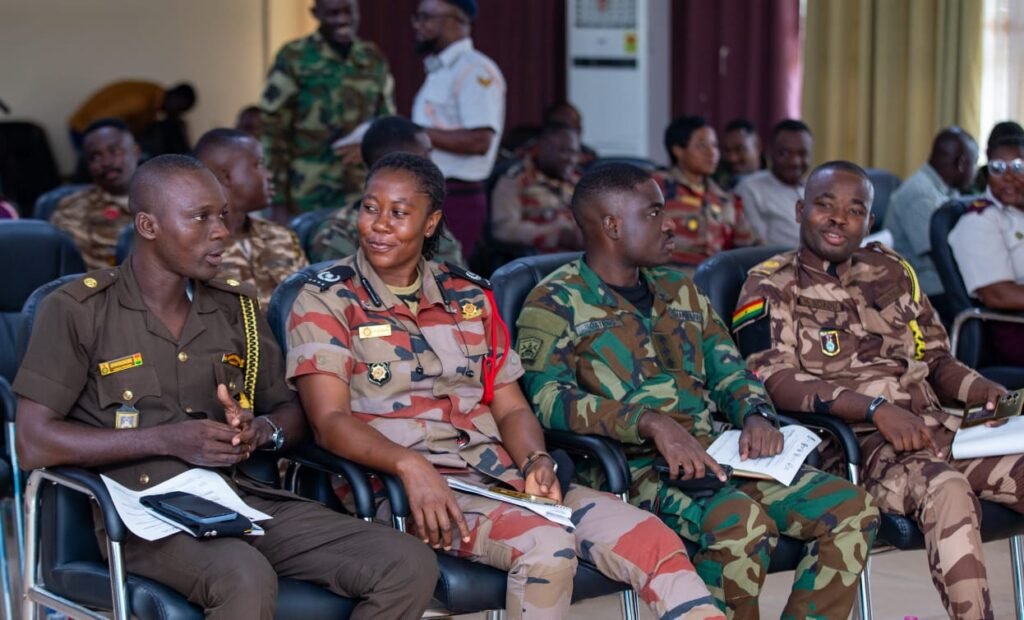
Participants were drawn from civil society and community groups including faith-based, women’s, youth and disability organisations; government and governance bodies and the judiciary; security and justice institutions including the police and military; and media practitioners among others.
The training was structured around four modules delivered over the five days: Violent Extremism and Civilian Roles in Prevention; Trust Building, Community Engagement and Social Accountability; Collaborative Approaches to Preventing Violent Extremism; and Facilitation, Training Delivery and Scaling, with a pre-test evaluation conducted on the opening day.
Understanding the threat
Mr. Augustine Owusu, Head of the Peace and Security Studies Programme at KAIPTC, took participants through the nature, trends and drivers of violent extremism, distinguishing between extremism, violent extremism and terrorism, and walking trainees through the radicalisation-to-reintegration continuum and the differences between Preventing Violent Extremism (PVE), Countering Violent Extremism (CVE), insurgency, and counter-terrorism approaches.
Facilitators presented data showing the scale of the threat regionally and locally. Figures cited included that more than half of all global terrorism deaths in 2025 occurred in the Sahel, with close to four million people displaced in the region by the end of 2025. On the Savannah Region specifically, facilitators referenced over 300 lives lost in the Bawku conflict since 2021, more than 50,000 people displaced by the Gbinyiri land conflict in August 2025, the region’s poverty incidence exceeding 50 percent more than double the national average and an adult literacy rate of 32.8 percent, the lowest of any region in Ghana.
Coordination between civilians and security agencies
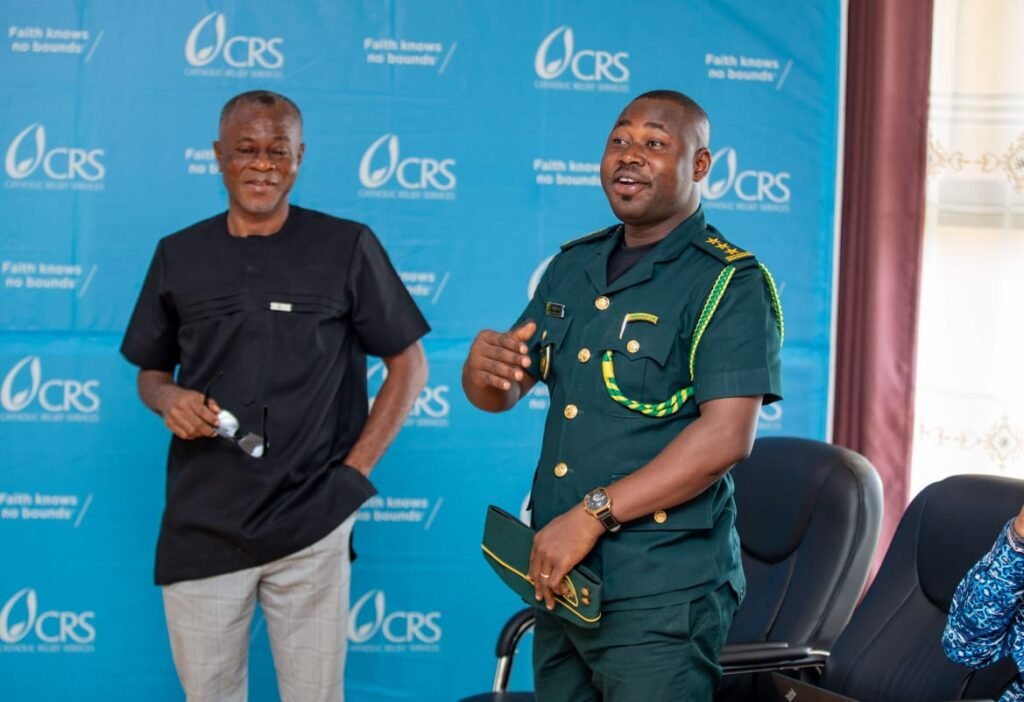
DSI Robert Ubindam led a session on coordination and collaboration between civilian actors and security institutions, distinguishing coordination, the structured alignment of roles and information from collaboration, described as a deeper process built on trust, joint planning and shared decision-making. The session covered the mandates of security sector actors, forms of civilian-security collaboration such as community dialogues and joint awareness campaigns, and challenges including weak institutional coordination, politicisation of security issues and public ignorance of security agency mandates.
Community engagement and social accountability
A session facilitated by Mr Ali examined community engagement in PVE, defining communities as built on history, tradition, kinship and local leadership, and outlining levels of engagement ranging from one-way information sharing to fully empowered community decision-making. The session identified youth leaders, women’s organisations, faith leaders, traditional leaders and local NGOs as key stakeholders, with strategies such as joint dialogue platforms, community-led border monitoring and strengthened District Security Councils proposed as actionable engagement tools.
Mr. Augustine Owusu also led a session on social accountability in security governance built around participation, transparency and feedback, stressing that trusted institutions receive better intelligence and that sustainable peace requires meaningful community ownership.
Early warning systems
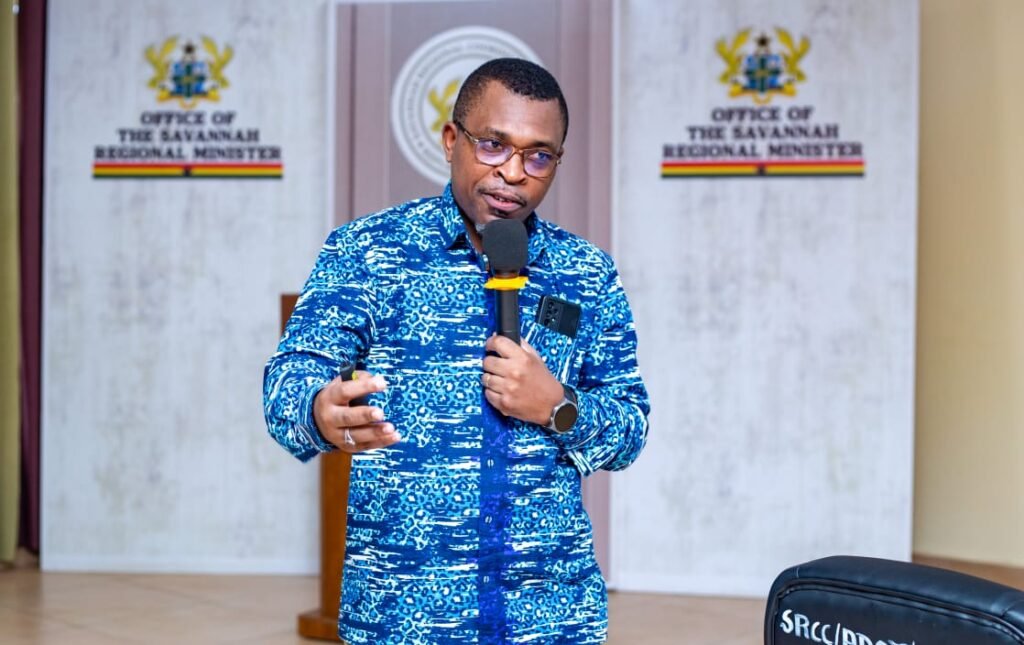
Mr. Ali Anankpieng facilitated a session on early warning and response, describing it as a proactive framework to detect, analyse and mitigate conflict before it escalates. The session covered the “context, attitudes, behaviour” model for analysing conflict risk, citing land tenure disputes, chieftaincy succession contests and farmer-herder tensions as structural drivers in the region alongside channels for transmitting warnings, including direct calls to security services, community radio broadcasts and WhatsApp groups. Facilitators highlighted “third-generation” early warning systems as people-centred, locally owned and directly linked to community response.
Monitoring, evaluation and scaling
The course closed with a module on Monitoring, Evaluation, Accountability and Learning (MEAL), also facilitated by Mr. Augustine Owusu, covering tools for tracking programme implementation and designing action plans to scale civilian-security engagement interventions across Northern Ghana. The session referenced Afrobarometer data showing only 46 percent of Africans trust the police “somewhat” or “a lot” across 39 countries surveyed, underscoring the importance of measuring trust as part of prevention programming.
Participants who completed the full five days received certificates of participation, with the training designed to build a cadre of community trainers able to adapt and deliver similar content across the Savannah Region.