



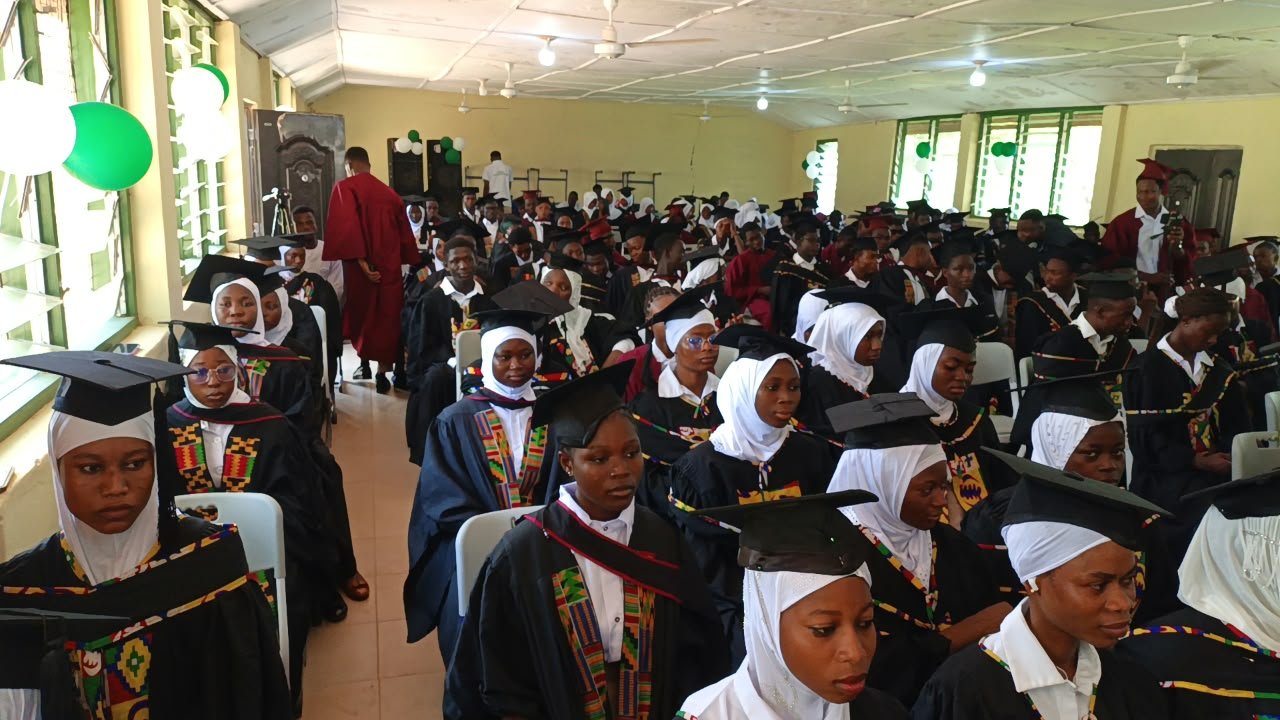
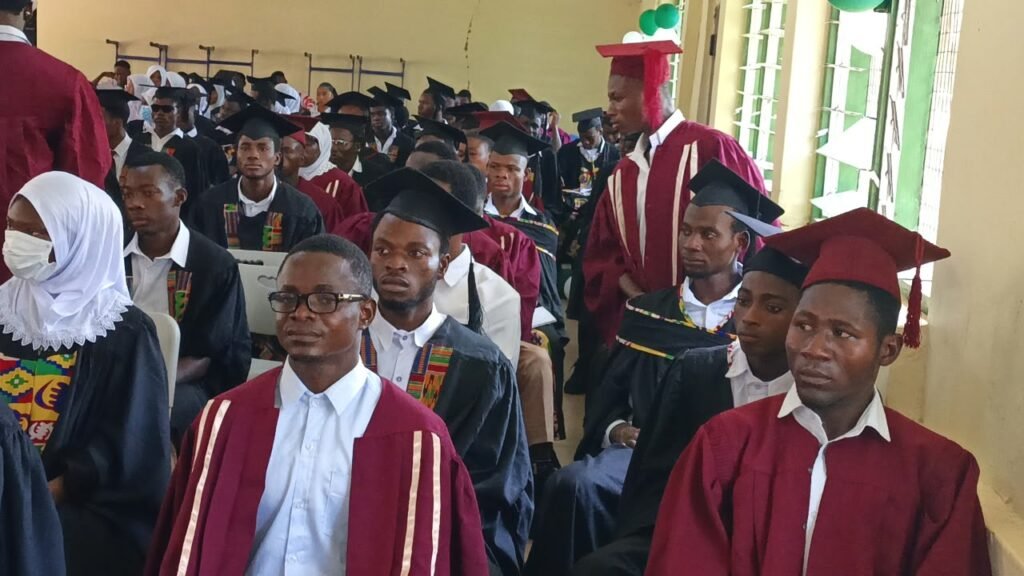
The Damongo College of Agriculture and Allied Sciences has officially matriculated 164 students for the 2026/2027 academic year, with speakers at the ceremony urging the new students to embrace agricultural education as a pathway to employment creation, food security and national development.
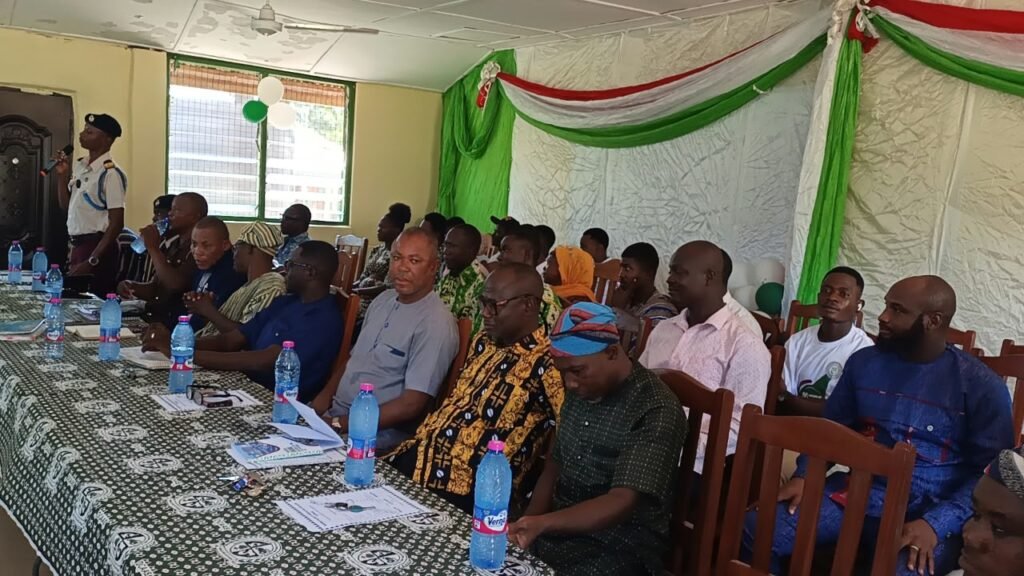
The ceremony, held on Thursday, October 29, 2026, brought together dignitaries, traditional leaders, representatives of government institutions, educationists, development partners and other stakeholders to celebrate the admission of the new students into the college.
The matriculants comprise 88 males and 76 females, representing 53 per cent and 47 per cent respectively. According to the college management, the female enrolment is the second-highest recorded in a single admission year.
Addressing the gathering on behalf of the Principal, the Vice Principal, Mr Clement Abiire Akurugo, welcomed the students and described matriculation as an important milestone that formally admits them into the college community.
He urged the students to uphold the institution’s rules and regulations, maintain good conduct and protect the reputation of the college throughout their studies and beyond.
Mr Akurugo disclosed that the college currently runs three programmes: a three-year Higher National Diploma (HND), a two-year diploma and a two-year certificate programme, with the new students forming the third cohort under the current programme arrangements.
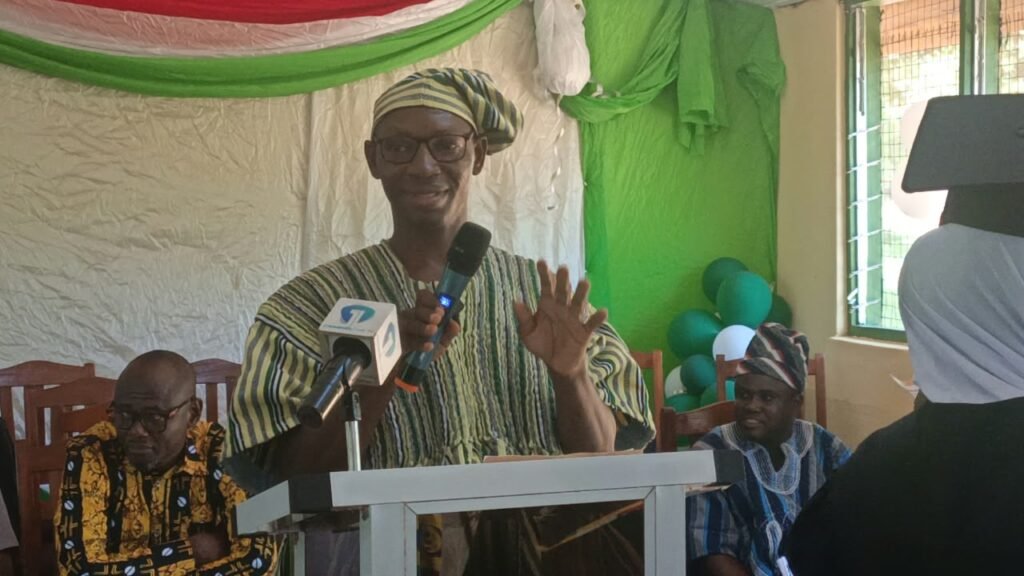
He explained that management was working to meet the requirements of the Ghana Tertiary Education Commission (GTEC) as part of efforts to strengthen the institution’s status and academic standards.
He also revealed that the college was collaborating with a ministerial committee from the Savannah Regional Coordinating Council on proposals relating to the establishment of a university in Damongo. He said assessment teams had visited the college’s facilities and that requested information had been submitted, with management awaiting further developments.
As part of efforts to improve academic standards, Mr Akurugo disclosed that seven staff members were pursuing further academic qualifications, comprising five master’s degree programmes and two PhD programmes.
He, however, highlighted infrastructure challenges facing the institution, particularly pressure on hostel accommodation following the admission of the new students. He noted that the female hostel was under considerable strain, while one of the boys’ hostels required serious structural reinforcement on its top floor.
The Vice Principal appealed to the West Gonja Municipal Assembly, traditional authorities, government officials, stakeholders and the people of Gonjaland to support the college with the infrastructure and facilities needed to improve teaching and learning.
He further disclosed that the college, in partnership with development organisations including WUSC, ACTIVATE, the Mastercard Foundation, the World Food Programme and the Netherlands Embassy, was undertaking various training initiatives and projects, including aquaponics and agribusiness-related activities.
According to him, the college was also providing opportunities for farmers and interested individuals to access training in aquaculture, vegetable production and integrated eco-farming, while developing its role as an incubation hub for agripreneurship and agribusiness services.
He encouraged the matriculants to take advantage of the opportunities available to them, stressing that their future success would depend not only on academic knowledge but also on their discipline, attitude and practical skills.
The West Gonja Municipal Chief Executive’s remarks were delivered on his behalf by Mr Ibrahim Salifu, a staff member of the West Gonja Municipal Assembly.
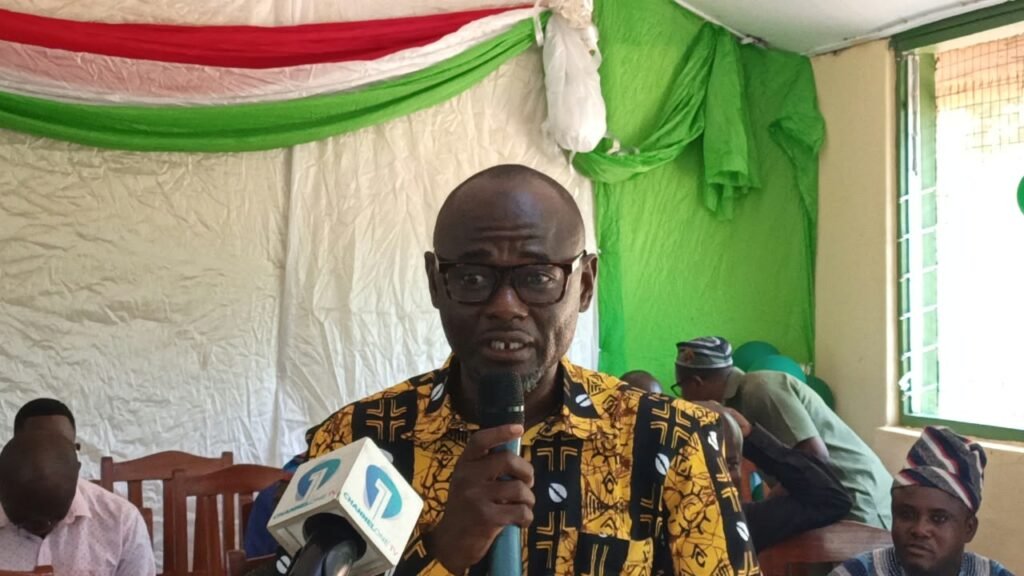
In his address, the MCE congratulated the students on gaining admission and reminded them that their presence at the college marked the beginning of a new chapter in their educational and professional lives.
He urged them not to pursue certificates alone but to acquire the knowledge and practical experience needed to contribute meaningfully to Ghana’s agricultural sector.
“You did not come here just to get a certificate. You came here to get knowledge and practical experience that will help feed Ghana,” he said in his address.
He highlighted the agricultural potential of the Savannah Region, citing its suitability for the cultivation of yam, groundnuts, maize, soybeans and cashew, as well as livestock production and aquaculture.
According to him, the region’s natural resources could contribute significantly to national food production if supported by trained agricultural professionals and modern farming practices.
He stressed that Ghana needed more agriculturists, agricultural extension officers, animal health experts and agribusiness entrepreneurs to strengthen the sector and create employment opportunities.
The MCE urged the students to take discipline, practical training and their future careers seriously, reminding them that the farm was their laboratory and that success in agriculture required both theoretical knowledge and hands-on experience.
He also commended the college’s management and staff for their efforts despite the institution’s infrastructure challenges.
On the proposed university development in Damongo, he disclosed that plans were far advanced towards either upgrading the existing college into a university or establishing a university alongside it. He indicated that concrete steps had been taken and that an official announcement was expected in due course.
The Assistant Headmaster in charge of Academics at Ndewura Jakpa Senior High Technical School in Damongo, Mr Samuel Dramani, also called on students to embrace agriculture as a career and contribute to national development.
He expressed concern that some teachers unintentionally discouraged students from pursuing agriculture by using farm work and school gardening as punishment for wrongdoing.
According to him, such practices could create the impression that agriculture was a punishment rather than an important field of study and a source of livelihood.
He commended the new students for choosing to pursue agricultural education and encouraged them to take their studies seriously.
Mr Dramani noted that the Savannah Region had abundant land for crop and animal farming, providing graduates with opportunities to apply their knowledge, establish businesses and become self-employed.
Drawing from his own experience, he disclosed that he reared sheep and goats at home alongside his teaching career, particularly during weekends and holidays.
He also lamented the difficulty of accessing veterinary services at times, stressing the need to encourage more young people to pursue careers in animal health and other agricultural fields.
He urged students to use their training to reduce dependence on government employment and help strengthen Ghana’s food production capacity.
“We can be self-sufficient and self-employed so that we can help to boost the food basket of our country,” he emphasised.
The college management reiterated its commitment to equipping students with practical agricultural knowledge, entrepreneurial skills and the business mindset needed to succeed in the changing employment landscape.
Beyond formal classroom instruction, the college is expanding its community engagement through farmer field days, aquaculture demonstrations and plans to offer free short courses in selected agricultural areas.
The matriculation ceremony was successfully held in a colourful atmosphere, with dignitaries and representatives from various departments and institutions joining college management, staff, students, parents and other invited guests to mark the occasion.
As the 164 students begin their academic journey, the college and its stakeholders have expressed hope that their training will produce skilled agricultural professionals and entrepreneurs capable of harnessing the region’s agricultural potential, improving food security and contributing to sustainable national development.